Let the board pick the hand
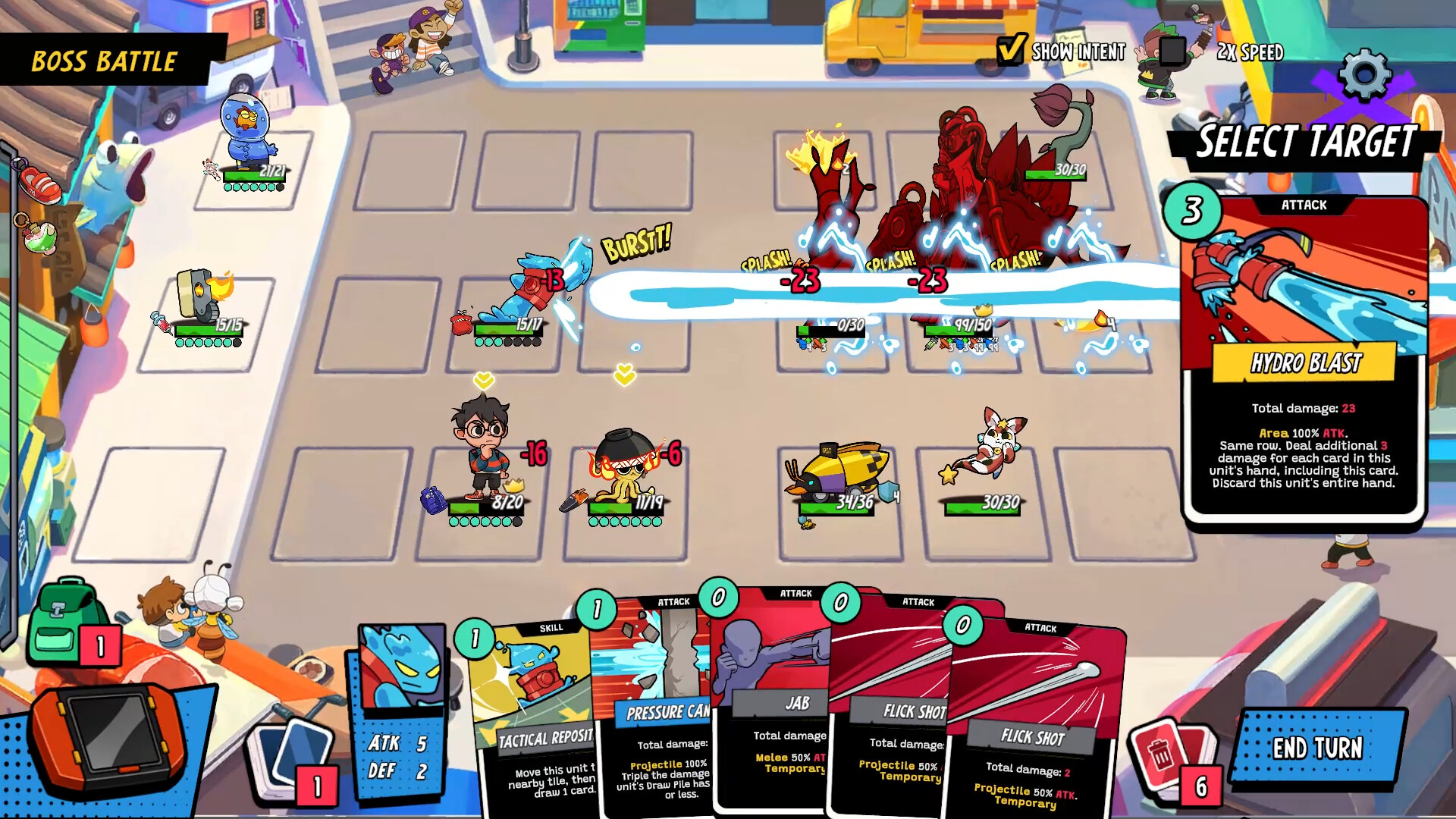
Several hands can make one turn feel like a pile of small puzzles. Start with the board: is the Trainer exposed, is a lane blocked, is an enemy about to act, or is there a target you can finish? Then find the hand that solves that first.
Give teammates different jobs
- One Montabi keeps pressure away from the Trainer or holds a safe square.
- Another moves, opens a lane, or sets up a partner.
- A third can spend the opening to remove a threat.
- If the draw is bad, use a hand that gets the team out of trouble instead of forcing weak damage.
A repeatable hand-reading order
- Check the Trainer and enemy threat first.
- Find the Montabi that can change the board immediately.
- Look for the follow-up hand that becomes good after that change.
- Spend the remaining resources only if they improve safety, access, or the next turn.
Do not force every hand to matter
A common trap in a multi-deck team is spending resources because a card happens to be available. If one Montabi already has the useful line, let the other hands wait. Keeping a card for a safer square, a better target, or a later turn is often stronger than turning every hand into small, unrelated damage.
Recruit for what the team is missing
A new teammate should fill a gap. If the run stalls, ask whether you need protection, movement, target access, damage, or a card that helps another hand work. That question also helps with card rewards, equipment, and Charms.
When the turn is still messy
Take the safe line: protect the Trainer, make the important target reachable, and hold cards that need a better board. You do not need the maximum-damage sequence every turn. You need a board that still works next turn.